
Get a Septic System Design That Saves You Time, Money & Headaches
Avoid rework, prevent delays, and get fully compliant septic plans engineered specifically for your property. Land Perc provides clear designs, accurate soil data, and smooth permitting so your project moves forward without surprises.
Start a New OrderFlorida’s weather doesn’t mess around, and neither should your approach to water management. For builders and contractors, a single heavy downpour can turn a well-managed site into a muddy mess, causing delays and threatening foundations. It’s a constant battle against the elements. But the real risk isn’t just the rain; it’s the lack of a solid strategy to handle it. Without a professional property drainage plan, you’re not just gambling with your project timeline—you’re risking structural damage, soil erosion, and serious permit violations. This guide breaks down why a well-engineered plan is your project’s best defense against water-related disasters and regulatory headaches.
Key Takeaways
- Protect Your Project from the Start: A professional drainage plan is essential for securing permits in Florida and serves as your primary defense against costly issues like foundation damage, soil erosion, and flooding that can derail your timeline and budget.
- Partner with a Licensed Professional: Florida law requires a qualified engineer to design your drainage plan. Working with an expert isn’t just about meeting legal requirements; it’s about getting a site-specific solution that ensures compliance and prevents design flaws from the outset.
- View Drainage as a Long-Term Investment: An effective drainage system is more than a line item on your budget; it’s a crucial investment in the property’s stability and value. Planning for durability and performing regular maintenance protects the structure and prevents expensive future repairs.
What Is a Property Drainage Plan?
Think of a property drainage plan as a roadmap for rainwater. It’s a technical document showing how stormwater will be managed on a piece of land, mapping out where water will flow, how it’s collected, and where it’s safely discharged. A well-designed plan is a core component of any successful construction project, ensuring water doesn’t pool around foundations, flood neighboring properties, or cause damaging erosion. Professionals analyze a property’s topography, soil, and impervious surfaces to design an efficient system for Florida’s heavy rainfall. The goal is to manage water responsibly, protecting the structure and surrounding environment. Land Perc offers a range of site planning services to help you achieve this.
Why You Need a Drainage Plan
A solid drainage plan is your first line of defense against expensive problems. Without one, your project is vulnerable to issues that cause major delays and budget overruns. Poor drainage leads to standing water, which can damage foundations, cause soil erosion, and destabilize the entire site. It can also lead to flooding on your property and your neighbors’, creating serious liability issues. A proper plan protects your investment, keeps your project on schedule, and ensures the long-term stability of the structures you build. It’s a foundational step for any successful project.
Meeting Legal Requirements in Florida
In Florida, a drainage plan isn’t just a good idea—it’s often a legal requirement. You’ll almost certainly need a professional plan to get permits for new home or commercial construction. The same goes for major additions, especially if you’re adding hard surfaces like pavement or changing the land’s slope. Subdividing a property or building in a flood-prone area will also trigger this requirement. Local municipalities have strict stormwater codes, and a detailed drainage plan is how you prove compliance. You can start a new order with us to ensure your project meets all regulations from the start.
Protecting Your Property and Its Value
Beyond permits, a well-executed drainage plan is a crucial investment in the property’s long-term value. It’s the key to preventing chronic water issues that lead to costly repairs, like foundation cracks, landscape erosion, and interior water damage. By effectively managing stormwater, you protect the structural integrity of the buildings and preserve the usability of the land. This proactive approach saves money on future fixes and makes the property more attractive and valuable. A property with a reliable drainage system is a secure asset, ensuring peace of mind for builders and future owners.
What Goes Into an Effective Drainage Plan?
A solid drainage plan is more than a map of where water should go; it’s a strategy built on careful analysis and engineering. It’s the blueprint for keeping a property safe, dry, and stable. Creating one involves a few critical steps, each building on the last to ensure water is managed effectively from the moment it hits the ground.
Analyzing Your Site and Topography
The first step is always a thorough look at your property’s unique landscape. An effective drainage plan begins with a complete analysis of the site and its topography. This means understanding how the land slopes and where water naturally flows—and, just as importantly, predicting where it will go after construction changes the grading. It’s about seeing the bigger picture of water movement across the entire site. This initial assessment is foundational, as every other part of the plan depends on getting this right. A professional site evaluation provides the data needed to design a system that works with your land, not against it.
Calculating Water Flow and Designing Infrastructure
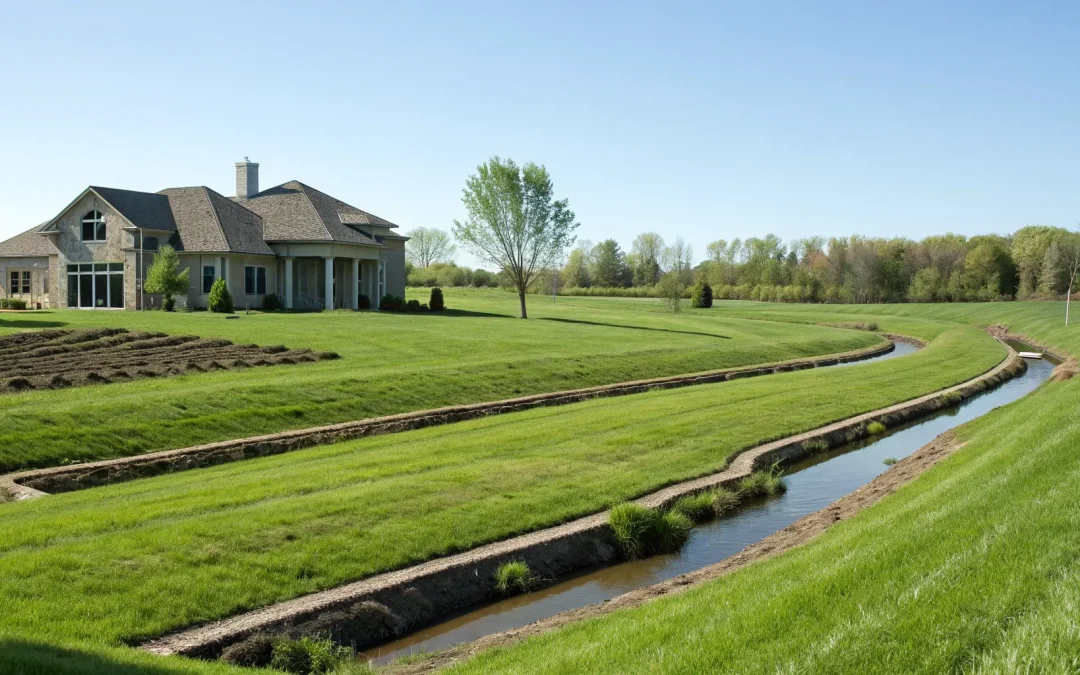
Once you know the lay of the land, the next step is to calculate the volume of water you’ll be dealing with. This isn’t guesswork; it involves precise calculations to determine the expected water flow, especially during Florida’s intense rainstorms. Based on these numbers, an engineer can design the right infrastructure to manage it all. A well-designed plan details how water will be collected in features like swales or catch basins and safely moved away from buildings. This is where engineering expertise becomes critical, ensuring the system can handle the load without failing. You can contact an expert to discuss the specific infrastructure your project needs.
Managing Discharge and Controlling Erosion
The final piece is managing where the collected water ultimately goes. A drainage plan isn’t just about moving water around your property; it’s about discharging it responsibly without causing problems for you or your neighbors. Effective drainage management is crucial to prevent flooding and control soil erosion, which can compromise the stability of foundations. The plan must outline a clear, safe path for water to exit the site in a way that complies with local regulations. This protects your investment, maintains good relationships with adjacent properties, and ensures you meet all permitting and compliance requirements.
Who Should Create Your Drainage Plan?
When it comes to creating a property drainage plan, this is not the time to guess. An effective, compliant plan requires a specific skill set and a deep understanding of hydrology, soil mechanics, and local regulations. Putting the wrong person on the job can lead to costly mistakes, project delays, and long-term property damage. In Florida, the question of who should design your plan isn’t just a matter of best practice—it’s also a matter of law. For builders, installers, and permit coordinators, getting this right from the start is crucial for a smooth and successful project.
Florida’s Professional Licensing Requirements
In Florida, a drainage plan must be created by a qualified professional. This typically means a licensed civil engineer or a specialized drainage engineer who has the credentials and experience to manage stormwater and design effective land development solutions. These professionals have undergone rigorous training and testing to earn their licenses, ensuring they can accurately assess a site, perform necessary calculations, and create a plan that is both safe and compliant. Working with a licensed professional isn’t just a suggestion; it’s a requirement that protects you, your clients, and the community from the consequences of improper water management.
The Benefits of Working With an Expert
Engaging an expert to design your drainage plan is one of the smartest investments you can make in a property. A professional engineer does more than just meet legal requirements; they create a tailored solution that protects the property’s foundation, prevents soil erosion, and safeguards neighboring lots and the local environment. Their expertise ensures the system is designed correctly from the outset, avoiding expensive fixes later on. By providing comprehensive site-specific designs, an expert delivers peace of mind, knowing your project is built on a solid, sustainable, and compliant foundation that will perform for years to come.
When to Hire a Pro vs. DIY
While a homeowner might tackle a simple French drain in their backyard, any drainage plan for new construction or significant property development demands professional design. For builders and contractors, the risks of a DIY or amateur approach are simply too high. An improperly designed system can fail to get permitted, cause flooding, or lead to structural damage—mistakes that can result in fines, lawsuits, and a damaged reputation. The upfront cost of hiring a professional is minor compared to the potential expense of redoing failed work or dealing with permit violations. For a compliant and effective plan, you should always partner with an expert.
What Are the Risks of Poor Drainage?
Ignoring your property’s drainage isn’t just about dealing with a few puddles after a storm. It’s about preventing a cascade of expensive and destructive problems that can impact a building’s structural integrity, the surrounding land, and your project timeline. A poorly designed system—or the lack of one—can turn rainwater from a simple nuisance into a major liability. Understanding these risks is the first step toward protecting your investment and ensuring your project is built on solid, stable ground.
Preventing Floods and Structural Damage
When water has nowhere to go, it pools around the foundation. This constant moisture can easily find its way into crawl spaces and basements, leading to water damage and mold growth. Over time, this prolonged exposure can weaken concrete and compromise the building’s core structure. A professional drainage plan is your first line of defense, designed to actively channel water away from the foundation walls. This prevents water accumulation and protects the building from the ground up, saving you from potentially devastating repair costs and preserving the long-term health of the structure.
Stopping Soil Erosion and Foundation Issues
Uncontrolled water runoff does more than just create puddles; it actively strips away the soil that supports your building’s foundation. This process, known as soil erosion, can create voids and unstable pockets in the ground. As the supporting soil washes away, the foundation can shift, settle, or crack, leading to uneven floors, sticking doors, and deep fractures in the walls. Our comprehensive site evaluation services are designed to address these risks from the start. By creating a plan that manages water flow effectively, you can keep the soil in place and ensure the foundation remains stable and secure for decades.
Avoiding Permit Delays and Fines
For builders and developers in Florida, a compliant drainage plan isn’t optional—it’s a requirement. Local municipalities have strict regulations for stormwater management to prevent flooding and environmental damage. Submitting a building permit application without a professionally engineered drainage plan is one of the fastest ways to face rejection. This leads to significant project delays, throwing off your entire construction schedule and budget. Even worse, failing to comply with these codes can result in hefty fines. Getting a proper plan in place from the beginning ensures you meet all legal requirements and keep your project moving forward smoothly.
Common Challenges in Drainage Planning
Even the most straightforward construction project can hit a snag when it comes to drainage. Planning how water moves across a property involves more than just digging a trench; it requires foresight, precision, and an understanding of the unique challenges a site presents. From navigating existing infrastructure to correcting common myths, getting your drainage plan right is critical for avoiding costly delays and long-term structural problems. Let’s walk through some of the most common hurdles you might face.
Finding Accurate Plans and Understanding Your Role
One of the first roadblocks many builders encounter is the lack of accurate, existing drainage plans. For new construction on an undeveloped lot, you’re starting from scratch. But for renovations or infill projects, you need to know what’s already underground. Without a clear map of existing pipes, culverts, and drain fields, you risk damaging crucial infrastructure or creating a system that won’t work. Trying to piece together this information can be time-consuming and frustrating. This is why having a professional assess the site is often the most efficient first step, allowing you to start a new order and get a clear picture from day one.
Balancing Design Complexity with Your Budget
It can be tempting to opt for the simplest, cheapest drainage solution to keep project costs down. However, this is one area where cutting corners can lead to much bigger expenses later. A generic plan might not account for your property’s specific soil type, slope, or the heavy rainfall we see in Florida. An effective drainage system is a long-term investment in the property’s stability. A well-designed plan prevents issues like foundation damage, soil erosion, and landscape washout—all of which are far more expensive to fix than they are to prevent. Investing in a tailored, professional design ensures your system performs correctly for years to come.
Correcting Common Drainage Misconceptions
Many drainage problems start with a simple misunderstanding. A prevalent myth is that water will naturally find its way off a property without much help. In reality, without a clear path, water pools, saturates the ground, and puts pressure on foundations. Another common misconception is that only older properties need drainage upgrades. But any new construction, landscaping, or paving changes how water behaves on a site, making a proper plan essential for homes of all ages. Understanding these realities is key to appreciating why our comprehensive services are so crucial for protecting your investment and ensuring your project complies with Florida’s environmental regulations.
How to Get a Property Drainage Plan
Getting a property drainage plan is a straightforward process when you know the right steps to take. It involves finding the right expert, understanding what goes into the design, and gathering any existing information about your property. Here’s how you can get started.
Partner With a Qualified Professional
First things first: creating a drainage plan is not a DIY project. In Florida, you need a qualified civil or drainage engineer to design a plan that is both effective and compliant with local codes. These professionals are licensed and have extensive experience in land development and stormwater management. They understand the unique challenges of Florida’s soil and weather patterns, ensuring your plan is built to last. Working with an expert from the start prevents costly mistakes and permitting delays down the road. When you’re ready to start a new order, you’re partnering with a team that has the credentials and experience to get the job done right.
What to Expect During the Design Process
Once you’ve hired an engineer, they will begin the design process by thoroughly analyzing your property. A comprehensive drainage plan includes several key components. It will map out the land’s slope and grading (topography), identify where water currently flows, and detail where it will be directed after construction. Your engineer will also include calculations for stormwater runoff, design systems like retention ponds to manage water, and specify the infrastructure needed, such as pipes, drains, and ditches. Think of it as a detailed blueprint that shows exactly how water will be managed on your site, ensuring a sustainable and effective solution.
How to Find Existing Municipal Plans
Before your engineer designs a new plan, it’s helpful to see if any existing drainage plans for your property are on file. Start by checking the property deeds and other documents you received during the purchase. If possible, ask the previous owners if they have any old reports or plans. You can also contact your local water authority or municipal planning office. They can often provide “asset location plans,” which show public drainage infrastructure, though there might be a small fee. Providing these documents to your engineer can give them a valuable head start, potentially saving you time and money on the project.
Florida’s Drainage Permitting Requirements
Navigating Florida’s permitting landscape can feel complex, but understanding the requirements is the first step to a smooth project. When it comes to drainage, the state has specific rules to protect properties and the environment. Getting your plan right from the start saves you from headaches and delays. Here’s what you need to know.
Complying With State and Local Codes
In Florida, your drainage plan isn’t just a suggestion—it’s a legal necessity. You’ll need to comply with a combination of state and local regulations designed to manage stormwater effectively. A major part of the approval process involves demonstrating that your project won’t cause water-related problems for your neighbors. State code requires you to provide “reasonable assurances” that your drainage system won’t adversely affect adjacent properties. This means your plan must be professionally designed to show it accounts for water runoff responsibly. Working with an expert who understands these nuances is critical for getting your permit approved.
How Soil and Environment Affect Your Plan
Florida’s diverse landscape means there’s no single template for a drainage plan. The specific soil composition, topography, and environmental conditions of your site will heavily influence the design. Sandy coastal soils drain differently than clay-heavy inland soils, and your plan must reflect these realities. The Florida Building Code also has practical requirements, stating that drainage systems must be designed for easy maintenance and clearing of blockages. This foresight ensures long-term performance. A thorough site analysis, including soil testing, is the foundation of a plan that is both compliant and effective for your specific property.
The Permitting Process and Timeline
The golden rule of construction in Florida is to secure your permits before starting any work. This is especially true for drainage systems. The process begins when you or your agent apply for necessary permits with the local governing authority. You’ll submit detailed drainage plans for review to ensure they meet all code requirements. Timelines can vary depending on the project’s complexity and the jurisdiction. Some local governments have additional rules, so it’s important to be prepared. Submitting a complete and accurate application is the best way to avoid delays that can throw your entire project schedule off track.
Helpful Resources for Drainage Planning
When you’re managing a construction project, having the right information is just as important as having the right tools. A solid drainage plan is non-negotiable for a successful build, protecting the property’s foundation and ensuring you meet all local codes. If you’re looking for guidance, here are a few resources to help you get started and make informed decisions for your project.
Get a Professional Consultation
While it’s great to be informed, creating a drainage plan is a job for a licensed professional. In Florida, only a qualified civil engineer or drainage engineer has the expertise to design a system that properly manages stormwater and complies with regulations. These experts understand the nuances of land development, soil types, and local ordinances. Bringing in a professional early ensures your plan is accurate from the start, preventing costly revisions and delays. At Land Perc, our team has the experience to create a custom septic and drainage design tailored to your specific site conditions.
Find Online Guides and Templates
To have a productive conversation with your engineer, it helps to understand the basics of drainage design. There are many online guides that explain how a good system prevents water from pooling in a yard, which can lead to serious issues like foundation cracks, landscape damage, flooding, and mold. These resources can give you a foundational knowledge of different drainage solutions, from French drains to swales. Using them for educational purposes can help you ask the right questions and better understand the recommendations your engineer provides for your property.
Plan for the Long-Term to Save Money
Investing in a well-designed drainage system from the outset is one of the smartest financial decisions you can make for a construction project. Proper drainage is essential for preventing expensive delays, safety hazards, and long-term structural damage. A poorly designed system doesn’t just affect the building; it can also cause your septic tank to overflow, leading to contaminated groundwater and costly repairs. By focusing on a long-term drainage solution, you protect the property’s value and avoid the significant expenses that come with fixing water-related problems down the road.
Best Practices for a Successful Drainage System
A well-designed drainage plan is your project’s foundation for success, but the work doesn’t stop once the design is approved. To ensure your system functions correctly for years to come, you need to adopt a few key practices. Thinking about long-term performance from the start protects your investment, keeps you compliant with Florida regulations, and prevents costly issues down the road. By focusing on regular maintenance, environmental responsibility, and forward-thinking design, you can build a drainage system that truly lasts.
Maintain and Monitor Your System Regularly
Think of your drainage system like any other critical component of a property—it needs regular check-ups to perform its best. Over time, drains, culverts, and swales can become clogged with leaves, sediment, and other debris, leading to backups and water damage. Inadequate or incorrectly planned drainage causes water to collect around foundation walls, and that extended moisture exposure can cause soil erosion. Set a simple schedule to inspect the system, especially after heavy rains, to clear any blockages and ensure water is flowing freely away from structures. This small, proactive step can prevent major headaches and expensive repairs.
Ensure Environmental Compliance
In Florida, a drainage plan is more than just a map for water—it’s a legal document that shows you’re protecting the local environment. A proper plan details how the land slopes, where water will flow after construction, and what measures you’ll take to stop soil from washing away into nearby waterways. Following your plan is essential for meeting state and local stormwater regulations and avoiding fines. Working with an expert ensures your design accounts for erosion control and responsible water discharge from the very beginning, making the permitting process smoother and keeping your project on the right side of the law.
Plan for Lasting Performance
A great drainage system is an investment in the property’s future. Good drainage is vital for any construction project because it helps prevent expensive delays, safety issues, and long-term damage. When you plan with durability in mind, you’re not just solving today’s water flow problems—you’re protecting the building’s foundation and structural integrity for decades. By considering factors like potential land-use changes and the increasing frequency of heavy rainfall, you can create a robust system that stands the test of time. This foresight saves you from much bigger problems later on and is a core part of our design philosophy.
Related Articles
- Top 5 Site Planning Issues That Delay Florida Construction Projects
- Do I Need a Permit for a Septic System in Florida?
- 5 Questions Every Florida Builder Should Ask Before Hiring a Septic System Designer
- Septic Tank Drain Field Layout 101: A Complete Guide
Frequently Asked Questions
Do I really need a professional engineer for my drainage plan? Yes, in Florida, this is a legal requirement. A licensed engineer is the only professional qualified to design a plan that meets state and local stormwater codes. This is about more than just paperwork; an engineer ensures the design is based on accurate calculations for your specific site, protecting the property from water damage and ensuring your project is compliant from day one.
What’s the most expensive mistake I can make with property drainage? The costliest mistake is treating drainage as an afterthought. An inadequate plan can lead to foundation failure, soil erosion, and flooding, creating repair bills that dwarf the initial cost of a professional design. Beyond the structural damage, you also risk significant project delays and fines from failing to meet permit requirements, which can derail your budget and timeline.
How does a drainage plan help with the permitting process in Florida? A professionally engineered drainage plan is a fundamental part of your permit application. It provides local authorities with the necessary proof that your project will manage stormwater responsibly and won’t negatively impact neighboring properties. Submitting a complete and compliant plan is one of the most effective ways to prevent rejections from the building department and keep your project moving forward without interruption.
My project is on a tight budget. Isn’t a complex drainage plan an unnecessary expense? It’s more accurate to see it as a critical investment in the property’s stability and value. Attempting to save money with a generic or poorly designed system often leads to much higher costs later on, whether from fixing cracked foundations or repairing landscape washouts. A plan tailored to your site prevents these expensive problems, making it one of the most sensible financial decisions for any build.
Once the drainage system is installed, is the job done? Not entirely. A drainage system requires some basic attention to perform well over the long haul. It’s a good practice to regularly inspect drains, ditches, and swales to clear out any leaves, sediment, or debris that could cause a blockage. This simple, proactive maintenance ensures water continues to flow freely away from structures and prevents clogs that could lead to backups and water damage.