
Get a Septic System Design That Saves You Time, Money & Headaches
Avoid rework, prevent delays, and get fully compliant septic plans engineered specifically for your property. Land Perc provides clear designs, accurate soil data, and smooth permitting so your project moves forward without surprises.
Start a New OrderBuilding in Florida means dealing with unique ground conditions that can make or break a septic system. Our sandy soils and high water tables demand a thoughtful approach to wastewater management that goes beyond standard practices. A system that works perfectly in another state could fail quickly here if it’s not designed for our environment. The performance of the entire drain field often comes down to the materials you choose, specifically the septic drain field pipe. This component must be able to handle rapid percolation in sand or slow absorption in clay, all while resisting corrosion and root intrusion, ensuring a durable, long-lasting installation for your clients.
Key Takeaways
- Match the Pipe to the Property: Your choice of drain field pipe, from standard PVC to modern chamber systems, should be dictated by the site’s unique soil conditions and water table. Starting with a professional soil analysis ensures the system is built for efficiency and durability from the ground up.
- Focus on Design Details to Ensure Performance: The best materials can’t make up for a flawed design. Getting the pipe diameter, perforation patterns, and local code compliance right is essential for creating a system that functions correctly and avoids premature, costly failures.
- Protect the Drain Field for Long-Term Success: The system’s lifespan depends on preventing physical damage and ensuring proper upkeep. Keep heavy equipment off the drain field during construction and educate homeowners on essential maintenance, like regular tank pumping, to prevent clogs and protect their investment.
How Do Septic Drain Field Pipes Work?
When you’re building a property that isn’t connected to a municipal sewer, the septic system does all the heavy lifting for wastewater treatment. While the septic tank gets a lot of attention, the drain field and its network of pipes are just as crucial for a safe and effective system. Understanding how these pipes function is key to ensuring a long-lasting, trouble-free installation for your clients.
A properly designed drain field is the final filtration stage, and the pipes are the star players. They take the partially treated water, or effluent, from the septic tank and distribute it evenly into the soil. The soil then acts as a natural filter, removing harmful bacteria and pathogens before the water rejoins the groundwater supply. Without a well-designed pipe network, the whole system can fail, leading to soggy yards, unpleasant odors, and costly repairs.
Their Role in Your Septic System
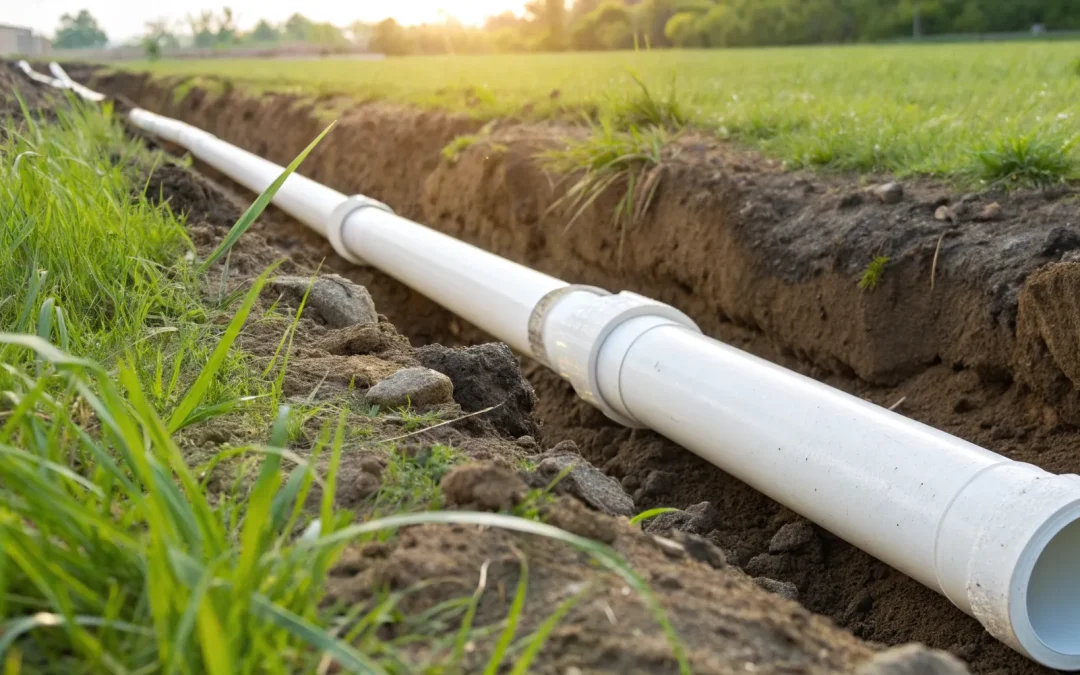
Think of the drain field, also called a leach field, as the final, hardworking stage of the septic system. After the septic tank separates solids from liquids, the wastewater flows into this underground network of pipes. These aren’t just any pipes; they’re perforated, with small holes that allow the water to seep out slowly and evenly. The drain field pipes are essentially a distribution system. Their main job is to spread the treated wastewater over a large, specific area of soil. This prevents any single spot from becoming oversaturated and allows the soil to do its natural filtering work. A well-designed septic system depends on these pipes to function correctly and protect the local environment.
Why Your Pipe Choice Matters
Choosing the right drain field pipe isn’t just a minor detail—it’s a critical decision that affects the entire system’s performance and lifespan. The material you select has to stand up to Florida’s unique soil conditions, from sandy coastal areas to clay-heavy inland regions. Traditional perforated PVC pipes are a common and reliable choice, but newer technologies offer different advantages. For instance, gravel-less options like the EZflow Septic System can be easier to install and are more environmentally friendly. In areas with challenging soil or heavy root presence, concrete chambers might be the most durable option. The right pipe ensures efficient wastewater distribution, prevents clogs, and avoids premature system failure, saving you from costly repairs and unhappy clients down the line.
What Are the Main Types of Septic Drain Field Pipes?
Once wastewater leaves the septic tank, it flows into the drain field, which is the final and most critical stage of treatment. The pipes you choose for this part of the system are responsible for evenly distributing the effluent into the soil for natural filtration. Think of them as the irrigation system for your septic field.
For Florida builders, selecting the right pipe isn’t just about meeting code; it’s about ensuring the system’s longevity in our state’s unique sandy soils and high water tables. The material you choose will directly impact installation efficiency, system performance, and how well it stands up to the elements over time. Let’s walk through the most common options you’ll encounter.
Perforated PVC
Perforated PVC is the go-to standard for many septic installers, and for good reason. It’s strong, rigid, and highly resistant to corrosion and chemicals, making it a durable choice that can last for decades. The smooth interior walls help prevent clogs from solids that might make their way out of the septic tank. Because it’s a material most crews are familiar with, installation is usually straightforward. Its reliability makes it a solid pick for many Florida projects where you need a time-tested solution that you can count on to perform without any surprises.
Corrugated Plastic
If you’re working on a site with an unusual shape or you need to maneuver around obstacles, corrugated plastic pipe is an excellent option. It’s lightweight and flexible, which can make installation much faster and easier than working with rigid PVC. Many modern systems use this type of pipe in a gravel-less design, like the EZflow® Septic System, which bundles the pipe in a geotextile mesh. This eliminates the need to haul in and spread heavy loads of gravel, saving you significant time and labor costs on the job site.
Concrete
When you need maximum durability, concrete chambers are the heavy-duty choice. These precast structures are incredibly strong and can withstand heavy loads, making them suitable for areas that might see vehicle traffic. Their weight is also a major advantage in areas with high water tables, as it prevents them from floating. Concrete is highly resistant to damage from shifting soil or aggressive tree roots, which can be a concern in some parts of Florida. While the material and installation costs can be higher, concrete offers unmatched strength for challenging site conditions where other materials might fail.
Chamber Systems
Chamber systems offer a modern, high-efficiency alternative to traditional pipe-and-gravel drain fields. Instead of a simple pipe, these systems use large, hollow, arch-shaped structures to create an open underground space for effluent. This design provides a much larger surface area for the wastewater to come into contact with the soil, which improves absorption and treatment. For builders, the main benefit is that chamber systems can often handle the same amount of wastewater in a smaller total area. This makes them a perfect solution for projects on smaller lots or sites with limited space for a conventional drain field.
Which Brands Should You Consider for Drain Field Pipes?
Choosing the right brand for your drain field pipes is a key decision. When you focus on quality and reliability, a few names consistently rise to the top. These are the brands we see perform well in Florida’s unique conditions, giving builders and homeowners peace of mind and preventing costly issues down the road. A well-chosen pipe is the foundation of a system that lasts.
Brands We Trust
When it comes to septic systems, the components you can’t see are often the most important. Selecting drain field pipes from a reputable manufacturer is a critical step in ensuring a long-lasting, efficient system that won’t cause headaches later. Based on our experience with over 40,000 projects across Florida, we’ve found that certain brands consistently deliver the quality and durability needed to handle the state’s unique soil and environmental conditions. Here are a few that have earned our confidence and are trusted by professional installers and builders throughout the industry for their unwavering performance.
Advanced Drainage Systems (ADS)
Advanced Drainage Systems (ADS) is a major player in the drainage product world, and for good reason. They manufacture high-density polyethylene (HDPE) perforated pipe systems specifically engineered for the demands of septic drain fields. What this means for your project is exceptional reliability and longevity, even when you’re dealing with some of Florida’s more challenging sandy or clay-heavy soil types. We appreciate their focus on innovation, which results in products that are not only effective but also lightweight and easy to handle on site. Their commitment to quality makes them a solid choice for any septic system design.
NDS (National Diversified Sales)
NDS, or National Diversified Sales, provides a wide array of drainage solutions, including durable PVC pipes and fittings that are a great fit for septic systems. Their products are built for strength and efficient water management, which is exactly what you need in a high-functioning drain field. Builders often choose NDS for their high-quality materials and smart, user-friendly designs that contribute to the overall performance and ease of installation of the septic system. When you need components you can count on to manage water flow effectively and withstand the test of time, NDS is a brand that consistently delivers on its promises.
Infiltrator Water Technologies
Infiltrator Water Technologies is known for its innovative approach to septic solutions, particularly their gravel-less leach field systems. These chamber systems use advanced technology for better, more efficient wastewater treatment in a smaller footprint. For builders, this is a huge plus because their products can often reduce installation time and material costs while improving the system’s overall efficiency. If you’re looking for a modern, high-performance option that streamlines the building process and offers design flexibility, Infiltrator is definitely a brand to have on your radar. Their systems are a popular and reliable choice for new construction.
What the Reviews Say About Performance
You don’t have to just take our word for it. Across the board, builders and homeowners praise brands like ADS and Infiltrator for their consistent performance. Online reviews and industry feedback often point to how effective these products are at maintaining proper drainage and preventing clogs—two of the most critical factors for a septic system’s health. The reliability of these brands means fewer callbacks for you and more satisfied clients in the long run. Ultimately, choosing a trusted brand is a key step in ensuring the lifespan of a drainfield and protecting the homeowner’s investment for years to come.
How to Choose the Right Pipe for Your Project
Selecting the right drain field pipe goes beyond just picking a material off the shelf. It’s about creating a durable, efficient system tailored to a specific site. For builders in Florida, getting this choice right from the start prevents costly future repairs and ensures the septic system functions properly for years. Four key factors should guide your decision: the site’s soil conditions, correct pipe sizing, perforation patterns, and local code requirements.
Consider Florida’s Unique Soil Conditions
Florida’s ground is a unique mix—often sandy with a high water table. This isn’t just a fun fact; it’s a critical factor in septic design. The wrong pipe in sandy soil can lead to effluent flowing too quickly and not getting treated properly. In heavier, clay-like soils, you might face the opposite problem: poor drainage and system backups. That’s why a thorough soil analysis is the first step. Understanding the soil’s percolation rate helps determine which pipe material and design will ensure even distribution. Effective drainfield maintenance starts with a design that works with the land, not against it, setting the system up for a long, healthy life.
Get the Pipe Diameter and Sizing Right
Once you know the soil conditions, it’s time to talk about sizing. Choosing the right pipe diameter is a balancing act. Go too small, and you risk clogs and backups. Go too large, and the effluent might not flow correctly, leading to pooling in some areas and dry spots in others. The correct size depends on the daily wastewater flow from the home or building and the soil’s absorption capacity. A four-bedroom home has different needs than a two-bedroom cottage. Neglecting this step is a common cause of premature system failure. Proper sizing and installation are non-negotiable for a drain field that stands the test of time.
Check Perforation Patterns and Spacing
The perforations—or holes—in the drain field pipe are where the magic happens. They are responsible for evenly distributing the treated wastewater into the soil. But not all perforation patterns are created equal. The size, number, and spacing of these holes matter immensely. For example, in highly porous sandy soil, you might need smaller, more frequent holes to slow down and spread out the flow. In denser soil, larger holes might be necessary to prevent clogs. The goal is to achieve a uniform dispersal across the entire drain field. Having the appropriate perforation patterns is a key part of an efficient, long-lasting system, preventing oversaturation and ensuring the whole field does its job.
Meet Local Code and Permitting Requirements
Finally, let’s talk about the rules. Florida’s septic codes can vary from county to county, and keeping up with them is a full-time job. What’s approved in one county might not fly in another. Choosing a pipe material or system design that doesn’t meet local health department standards will bring your project to a screeching halt. This is where working with an experienced designer pays off. We handle the complexities of local regulations and permitting, ensuring that every component, including the drain field pipes, is fully compliant. This saves you from costly revisions and the headache of dealing with the process on your own.
Common Drain Field Pipe Problems (and How to Prevent Them)
Even the best-designed septic system can run into trouble if it isn’t properly maintained. As a builder, understanding common drain field pipe issues helps you deliver a more durable product and educate homeowners on how to protect their investment. Proactive measures can prevent costly repairs and premature system failure, ensuring the homes you build have reliable wastewater management for years to come. From root intrusion to chemical damage, most problems are avoidable with the right knowledge and practices.
Dealing with Root Intrusion and Soil Compaction
Two of the biggest physical threats to a drain field are from above and below ground. Tree and shrub roots are naturally drawn to the nutrient-rich water in drain field pipes and can work their way into joints or perforations, causing clogs and backups. Mindful landscaping is the best defense. Advise homeowners to plant trees and large shrubs a safe distance from the drain field area.
Equally damaging is soil compaction. Heavy equipment, vehicles, or even permanent structures like sheds or patios built over the drain field can compress the soil. This pressure can crush pipes and reduce the soil’s ability to absorb effluent. To maintain the system’s efficiency, it’s crucial to keep heavy traffic away from the drain field. This simple rule protects the pipes and the surrounding soil, which is essential for proper drainage.
Avoiding Clogs and Chemical Damage
What goes down the drain has a direct impact on the health of the drain field pipes. The septic tank is designed to separate solids from liquids, but if the tank isn’t pumped regularly, sludge and scum can flow into the drain field, clogging the pipes and soil. Regular septic tank pumping is the single most important step to prevent solids from entering the drainfield.
Homeowners should also be careful about what they introduce into the system. Harsh chemicals, bleach, drain cleaners, and antibacterial soaps can kill the beneficial bacteria needed to break down waste. Grease, coffee grounds, and non-biodegradable items like wipes and feminine hygiene products can also lead to stubborn clogs. Proper waste disposal and water conservation are key to keeping pipes clear and the system functioning correctly.
Warning Signs You Need a Replacement
Sometimes, despite best efforts, a drain field fails. Knowing the warning signs can help you and your clients address the issue before it becomes a major health hazard. If a homeowner reports persistent sewage odors in the yard or slow drains throughout the house, it’s a red flag.
Other clear indicators include standing water or soggy patches over the drain field area, especially during dry weather. You might also notice that the grass over the drain field is unusually green and lush compared to the rest of the lawn. These are all signs your leach field is failing and that the wastewater is no longer being treated properly. When these symptoms appear, it’s time to call in professionals for an assessment and likely a new system design.
Best Practices for Pipe Longevity
The key to a long-lasting drain field is a combination of smart design and consistent maintenance. It starts with a professional site evaluation and a system designed specifically for the property’s soil conditions and expected load—that’s where we come in. Once installed, the system’s lifespan depends on homeowner diligence.
Encourage your clients to adopt a routine maintenance schedule. This includes having the tank pumped every three to five years, performing regular inspections, and practicing mindful water usage to avoid overloading the system. Simple habits like spreading out laundry loads and repairing leaky faucets can make a big difference. Following these best practices for septic systems ensures the drain field pipes remain clear and the entire system operates efficiently for decades.
What’s the Cost and Lifespan of Drain Field Pipes?
When you’re planning a build, the budget is always top of mind. The cost of a septic system’s drain field isn’t just about the pipes; it’s tied to the entire system, including the septic tank and the specific design. The materials you choose for the tank play a big role in the upfront cost. For example, a plastic tank might range from $500 to $2,500, while a concrete one typically falls between $700 and $2,000. While the drain field pipes themselves are a smaller fraction of the total cost, the type of system—whether it’s a traditional gravel setup or a modern chamber system—will also influence the final price tag.
The key is to look at the project holistically. A well-designed system considers the site’s specific soil conditions and local regulations to recommend the most cost-effective and durable materials. Getting an expert septic system design from the start ensures you’re not overspending on materials you don’t need or, worse, under-spending and setting the system up for premature failure. It’s about finding that sweet spot between upfront cost and long-term performance.
Price Comparison by Material
Let’s break down the numbers. While the perforated pipes in the drain field are a component, the septic tank is the costliest single piece of equipment. Plastic and fiberglass tanks are lightweight and easier to install, which can save on labor costs, but concrete tanks often offer greater durability. The choice directly impacts your project’s budget and timeline.
Beyond the tank, the drain field materials matter, too. Traditional systems using gravel and perforated pipe are often the most affordable option initially. However, chamber systems, while potentially more expensive upfront, can require less space and may be quicker to install, which saves on labor and land use. When you start a new order with us, we evaluate all these factors to help you select the right materials that fit your budget and the project’s specific needs.
Expected Lifespan and Long-Term Value
A septic system is a long-term investment for any property, and its lifespan is a major selling point. With proper installation and maintenance, most septic systems can be expected to last at least 15 to 25 years. Some components, like concrete leach field chambers, can even last over 40 years when they’re well-cared for. This kind of longevity means fewer headaches for you and the future homeowner.
The real value comes from getting the design and installation right from day one. Choosing the right pipe material and system type for Florida’s sandy or clay-heavy soils is crucial for preventing premature clogs and failures. A system that’s built to last protects your reputation as a builder and gives the property owner peace of mind.
Cost-Saving Tips for Builders
Protecting the drain field during and after construction is one of the easiest ways to ensure its longevity and prevent costly repairs. First, clearly mark the entire septic system area and keep all heavy equipment and vehicles off of it. The weight can compact the soil, crushing pipes and preventing the drain field from functioning correctly.
Second, educate the homeowner on proper maintenance. A septic tank should be pumped every three to five years to prevent solid waste from flowing into and clogging the drain field pipes. You can find more helpful information on our FAQs page to pass along. Simple preventative measures like these are the best way to extend the life of the system and deliver a reliable, long-lasting home.
Where to Source Your Septic Drain Field Pipes
Choosing the right drain field pipes is only half the battle; you also need to know where to get them and who to trust for the design and installation. Sourcing materials from a reputable supplier and working with experienced professionals ensures your project stays on track and the final system performs reliably. It’s about building a network of partners who understand Florida’s environment and regulations.
Partner with a System Designer for the Best Choice
Before you even think about suppliers, your first conversation should be with your septic system designer. A designer does more than just draw up plans; they act as your material consultant. Based on soil analysis and site conditions, they can recommend the exact type, size, and brand of pipe that will function best. This expert guidance is a core part of a custom septic system design. Partnering with an experienced firm from the beginning removes the guesswork, ensuring the materials you source are perfectly suited for the system’s long-term efficiency and compliance with local codes. This collaboration helps prevent costly mistakes and delays.
Finding Quality Suppliers
Once you have your design specifications, it’s time to find a supplier. Look for distributors with a strong reputation among builders and installers in Florida. A quality supplier won’t just sell you pipes; they’ll have knowledgeable staff who can answer questions and confirm you’re getting the right components for your approved design. Ask about their inventory of trusted brands and inquire about their delivery and support processes. Building a relationship with a reliable supplier means you can count on getting the right materials on time, which is critical for keeping your construction schedule on track.
Don’t Forget Professional Installation
Even the highest-quality pipes will fail if they aren’t installed correctly. Professional septic installers are essential because they understand the specific techniques required for a successful drain field. They know how to properly bed the trenches, handle the pipes without causing damage, and ensure the correct slope for effective effluent distribution. Proper installation also protects the surrounding soil structure, which is vital for the drain field’s function. Always work with certified installers who know Florida’s unique environmental challenges and can bring your septic design to life correctly.
Related Articles
- Septic Tank Drain Field Layout 101: A Complete Guide
- What Are the 3 Types of Septic Systems?
- Septic System Cost Estimate: A Complete Breakdown
- 6 Septic System Types and Costs Explained
Frequently Asked Questions
What’s the most critical factor to consider when choosing a drain field pipe for a Florida property? Without a doubt, it’s the soil. Florida’s ground conditions can change dramatically from one site to the next, ranging from porous sand to dense clay. The soil’s ability to absorb water, known as its percolation rate, dictates which type of pipe and system design will work effectively. A choice that’s perfect for a sandy coastal lot could lead to a complete system failure in a clay-heavy inland property. A professional soil analysis is the only way to get this right.
Are modern chamber systems always a better choice than traditional pipe-and-gravel drain fields? Not necessarily. “Better” really depends on the specific project’s needs and limitations. Chamber systems are an excellent solution for smaller lots because they can handle the same amount of wastewater in a more compact area. They can also reduce installation time and costs associated with hauling gravel. However, a traditional pipe-and-gravel system is a reliable and often more budget-friendly choice for properties with plenty of space. The best option is determined by the site evaluation, budget, and overall system design.
How can I prevent tree roots from becoming a problem for the drain field pipes? The most effective strategy is proactive landscaping. Tree roots are naturally drawn to the moisture and nutrients inside drain field pipes, and they can be incredibly destructive. Advise your clients to plant trees and any large shrubs a safe distance away from the entire septic area. Creating this physical buffer from the start is the best way to prevent roots from infiltrating the pipes and causing serious clogs or damage down the road.
Why is it so important to keep vehicles and heavy equipment off the drain field area? The weight from a vehicle or heavy machinery does two terrible things to a drain field. First, it can physically crush the pipes, leading to immediate blockages. Second, it compacts the surrounding soil, squeezing out the air pockets that are essential for wastewater to filter through. Once the soil is compacted, it loses its ability to absorb water, causing the entire system to fail. Keeping the area clear of heavy traffic is a simple but non-negotiable rule for protecting the system’s longevity.
Besides clogs from solids, what kind of household habits can damage drain field pipes over time? What goes down the drain directly affects the system’s health. Harsh chemicals, excessive bleach, and drain cleaners can kill the beneficial bacteria that the septic system relies on to break down waste. This can lead to solids building up and flowing into the drain field. It’s also important to avoid pouring grease, coffee grounds, or flushing non-biodegradable items like wipes. These materials don’t break down and can create stubborn blockages in the pipes.