
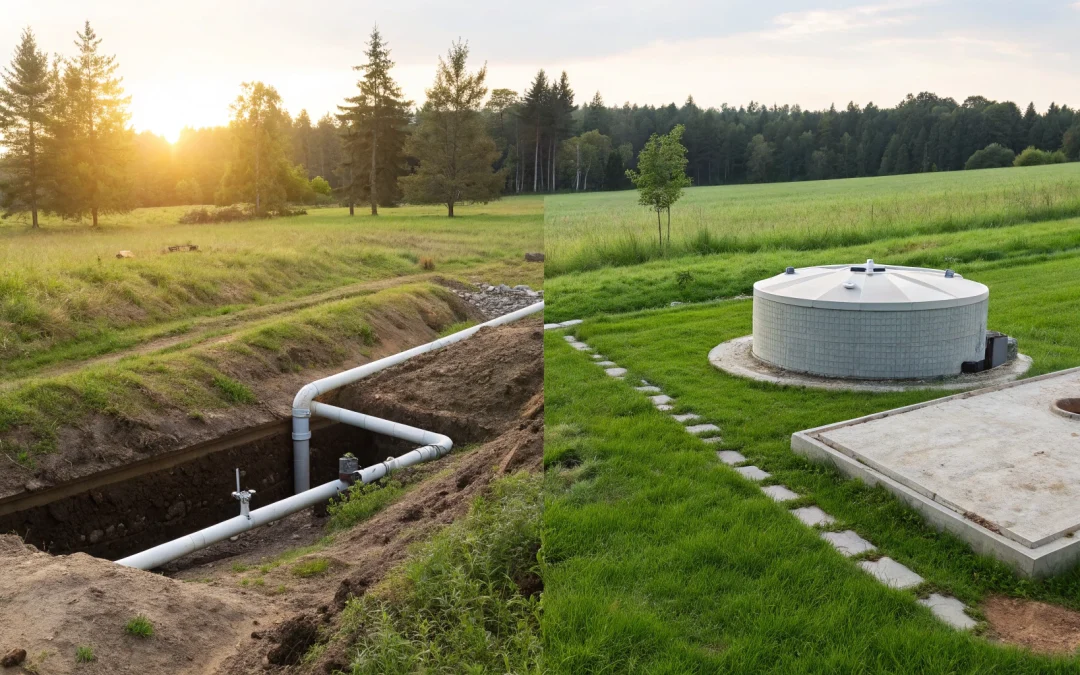
Get a Septic System Design That Saves You Time, Money & Headaches
Avoid rework, prevent delays, and get fully compliant septic plans engineered specifically for your property. Land Perc provides clear designs, accurate soil data, and smooth permitting so your project moves forward without surprises.
Start a New OrderEvery builder has encountered a “problem lot”—that parcel of land that’s too small, too sloped, or has soil that just won’t cooperate. In these situations, a standard septic solution is often off the table, which can bring a project to a grinding halt. This is where the discussion about an engineered septic system vs conventional design becomes a conversation about possibility. While a conventional system is the go-to for straightforward sites, an engineered system is the problem-solver that makes challenging properties buildable. It’s a custom-designed solution that works around site constraints, meets stringent environmental codes, and unlocks the full potential of a difficult piece of land. This guide will outline the specific triggers that make an engineered system a necessity, not just an option.
Key Takeaways
- Site Conditions Dictate the System Type: Your property’s soil, water table, and size are the deciding factors. A conventional system is only suitable for ideal lots, while an engineered system is the required solution for overcoming Florida’s common site challenges and ensuring regulatory compliance.
- Evaluate the Total Cost, Not Just the Upfront Price: While an engineered system costs more to install, it’s a necessary investment to make a difficult property buildable. A complete financial picture includes long-term maintenance, operating expenses, and the high cost of a potential system failure.
- Expert Design Is Essential for Permitting: Navigating Florida’s strict septic codes requires professional expertise. A thorough site evaluation and a custom design are the most critical steps to guarantee your plans get approved, avoid costly delays, and result in a reliable, long-lasting system.
Engineered vs. Conventional: What’s the Real Difference?
When you’re planning a new construction project, choosing the right septic system is a critical decision that hinges on your property’s specific conditions. It’s not a one-size-fits-all situation. The two main players are conventional and engineered systems, and understanding their core differences is the first step to making a smart, compliant, and cost-effective choice. Think of it as choosing between a standard sedan and an all-terrain vehicle—both will get you there, but one is specially equipped for challenging conditions. Let’s break down what sets them apart.
What is a Conventional Septic System?
A conventional septic system is the traditional, go-to option when site conditions are just right. It’s a relatively simple, gravity-fed system that relies on the natural soil to do the heavy lifting of treating wastewater. After solids settle in the septic tank, the liquid effluent flows into a drainfield, which is typically a series of trenches filled with gravel or stone. From there, the wastewater slowly percolates through the soil, where naturally occurring microbes filter and purify it. For this to work, you need the right kind of soil and enough space, making it a perfect solution for ideal sites.
What is an Engineered Septic System?
An engineered septic system is a more advanced, custom-built solution designed for properties where a conventional system just won’t cut it. These are necessary when you’re dealing with challenging site conditions like poor soil, a high water table, or limited space. Unlike a conventional system that relies on nature, an engineered system uses technology—like pumps, advanced filters, and specialized treatment units—to ensure wastewater is treated effectively before it’s released. This approach provides a reliable solution for even the trickiest Florida lots, ensuring everything meets strict environmental standards.
How They Work Differently
The fundamental difference between these two types of septic systems comes down to the treatment process. A conventional system is passive, using gravity and soil to clean wastewater. An engineered system is active, using technology to overcome site limitations. It might incorporate an aerobic treatment unit (ATU) that pumps oxygen into the wastewater to accelerate bacterial breakdown or use special filters to remove contaminants. This allows engineered systems to be installed on smaller lots or in areas with sensitive environmental conditions, offering a level of precision and control that conventional systems can’t match.
The Pros and Cons of Each System
Choosing between a conventional and an engineered septic system isn’t about which one is universally “better”—it’s about which one is right for your specific project site. Each system comes with its own set of advantages and disadvantages related to cost, maintenance, and site requirements. Understanding these differences is the first step to making a smart, compliant, and cost-effective decision for your build. Let’s break down what you can expect from each option.
Pros and Cons: Conventional Systems
Conventional septic systems are the traditional, go-to choice for a reason. When a site has the right soil and enough space, they are a reliable and cost-effective solution. Their simpler design means lower upfront installation costs and fewer mechanical parts that could fail. When properly maintained, they have a minimal environmental footprint.
However, their biggest drawback is their lack of flexibility. These systems need a lot of space and simply won’t work on properties with poor soil, a high water table, or steep slopes. They also require routine septic tank pumping every three to five years to prevent backups and system failure, a long-term maintenance cost that builders should communicate to homeowners.
Pros and Cons: Engineered Systems
Engineered septic systems are the problem-solvers for challenging properties. These are advanced systems designed to work where conventional ones can’t, making them perfect for sites with tricky soil conditions, limited space, or proximity to sensitive water bodies. They provide a higher level of wastewater treatment, which is often necessary to meet strict local environmental regulations here in Florida.
This advanced performance comes with trade-offs. Engineered systems have a higher upfront cost due to their complex design, components like pumps and control panels, and the specialized expertise needed for installation. They also require electricity to run and need more frequent professional maintenance to keep them operating correctly. These ongoing operational costs are an important factor to consider in the overall project budget.
When Do You Need an Engineered System?
Deciding between a conventional and an engineered septic system isn’t always a matter of preference; often, the land itself makes the choice for you. While a conventional system works perfectly on a straightforward site with ideal conditions, many Florida properties present challenges that require a more advanced solution. An engineered system is specifically designed by a professional engineer to overcome these site-specific hurdles, ensuring effective wastewater treatment where a standard system would fail.
Think of it as a custom-tailored suit versus one off the rack. An engineered system is meticulously planned to account for poor soil, high water tables, limited space, or strict environmental regulations. If your project site has any of these characteristics, a conventional system is likely off the table. The good news is that an engineered design provides a reliable path forward, allowing you to build on lots that might otherwise be considered undevelopable. Understanding these key triggers will help you anticipate project needs and plan accordingly from the start.
When Your Site Has Poor Soil or a High Water Table
Not all soil is created equal. Some Florida soils, like heavy clay or dense sand, don’t allow wastewater to drain properly. This is a major red flag for a conventional septic system, which relies on permeable soil to filter effluent. Similarly, a high water table—where groundwater is close to the surface—can prevent a standard drainfield from functioning correctly and even lead to contamination. In these situations, an engineered system is required. These systems use advanced components like aerobic treatment units or special drip dispersal fields to treat wastewater to a higher standard before it’s released, ensuring safety even in less-than-ideal ground conditions. A thorough soil and percolation test is the first step to determine if your site falls into this category.
Working with Limited Space or Tricky Terrain
Builders often face the challenge of fitting a septic system onto a small, oddly shaped, or steeply sloped lot. Conventional systems require a significant amount of flat, usable land for the tank and drainfield, which simply isn’t available on every property. This is where an engineered system shines. Because they are custom-designed, they can be configured to fit into tight spaces or work with the natural contours of a difficult landscape. This flexibility can be the key to maximizing a property’s potential and making a challenging lot buildable. By using advanced treatment methods, engineered systems often allow for a smaller drainfield, preserving more of the property for construction and landscaping.
Meeting Strict Environmental and Regulatory Standards
Florida’s unique ecosystems, including its many wetlands, coastal areas, and springs, are protected by stringent environmental regulations. If your project is located near a sensitive body of water or within a designated protection zone, local and state health departments will almost certainly require an engineered septic system. These systems provide a higher level of wastewater treatment, significantly reducing nitrogen and other pollutants that could harm the environment. Our custom septic system design services ensure your project meets all local codes and environmental standards, helping you get the necessary permits without delays. An engineered design is your best bet for compliance in these regulated areas.
Comparing Costs: Engineered vs. Conventional
Let’s talk numbers. When you’re planning a build, the bottom line is always a top priority. The cost difference between a conventional and an engineered septic system isn’t just about the initial price tag; it’s about the long-term financial picture. Understanding the full scope of expenses—from installation to maintenance—is key to making the right decision for your project. Both systems are investments, but they come with very different financial commitments over their lifespan.
Upfront Installation Costs
There’s no getting around it: an engineered septic system has a higher upfront installation cost. Because these systems are custom-designed for challenging sites, they involve more complex components, detailed planning, and specialized labor. You can expect the cost to range from $7,000 to $20,000, with some projects going even higher. This price reflects the need for a professional septic system design that accounts for specific site conditions. In contrast, a conventional system is simpler and less expensive to install, but it’s only an option when soil and site conditions are nearly perfect. Think of the higher initial cost as an investment in making a difficult lot buildable.
Long-Term Maintenance and Operating Expenses
After installation, the costs continue to diverge. A conventional system is mostly passive, with its primary long-term expense being routine tank pumping every few years. An engineered system, however, is an active treatment plant in miniature. It often includes pumps, aerators, and control panels that run on electricity, adding to the property’s utility bills. These components also require regular professional servicing to keep them working, with annual maintenance costs often falling between $280 and $550. While this is an added expense, it’s necessary to protect the system’s performance and prevent much costlier repairs down the road.
What About Hidden Costs?
The biggest hidden cost for any septic system comes from neglect. Failing to perform routine maintenance, like regular tank pumping, can lead to solids clogging the drainfield. This can cause sewage backups and premature system failure—a messy and expensive problem to fix. For engineered systems, ignoring service alerts or skipping check-ups can lead to burnt-out pumps or component damage. The best way to avoid these surprise expenses is to plan ahead. By getting a thorough site evaluation from the start, you ensure the right system is installed correctly, setting the foundation for predictable, manageable long-term costs.
How Florida Regulations and Site Conditions Impact Your Choice
Choosing between an engineered and a conventional septic system in Florida isn’t just about preference—it’s almost always dictated by two key factors: state regulations and the specific conditions of your site. Florida’s unique landscape, with its high water tables, sandy soils, and sensitive coastal ecosystems, presents challenges that many other states don’t face. Because of this, the state has robust rules in place to protect both public health and the environment. For builders and installers, this means thinking of it less as a choice and more as a puzzle where the land and the law provide the pieces.
Navigating these requirements can feel complex, but it all comes down to ensuring the wastewater is treated effectively before it re-enters the groundwater. A conventional system might be perfect for a large lot with ideal soil, but it’s often not an option for smaller properties, sites near wetlands, or areas with poor drainage. This is where an engineered system becomes essential. It’s a tailored solution designed to work within the constraints of a challenging site while meeting every single regulatory standard. Understanding these local rules and site-specific needs from the start is the most critical step in getting your project approved and built correctly, avoiding costly delays and redesigns down the line.
Florida’s Permitting and System Requirements
In Florida, you can’t just install a septic system; you need a permit, and getting one requires a detailed plan that proves your design meets all local and state codes. These regulations are not just red tape—they’re in place to protect property values and Florida’s precious water resources. The permitting process involves submitting comprehensive plans that show the system is designed correctly for the site’s specific conditions. This includes everything from the tank size to the drainfield layout. For builders and installers, partnering with an expert who understands the nuances of local health department rules is key to a smooth approval process. We handle the technical details to ensure your project’s permitting and compliance goes off without a hitch.
The Importance of Soil and Perk Testing
Before any design can be drawn up, you have to understand the ground you’re working with. That’s where soil and percolation (perk) testing comes in. This process analyzes the soil’s texture, composition, and, most importantly, how quickly it absorbs water. The results tell us everything we need to know about whether the site can support a conventional drainfield or if an engineered solution is required. Florida’s soil can be tricky—some sandy soils drain too quickly, failing to treat effluent properly, while others with high clay content don’t drain at all. State regulations mandate specific soil and percolation testing methodologies because these results directly influence the system’s design, size, and technology, ensuring it functions safely and effectively for years to come.
Understanding Design Approvals and Setbacks
Beyond soil quality, the physical layout of your property plays a huge role in septic system design. Every county in Florida enforces strict setback requirements—minimum distances the septic tank and drainfield must be from property lines, buildings, wells, and bodies of water. For example, a leach field often needs to be a certain distance from a neighboring property or a nearby wetland. On smaller, irregularly shaped, or waterfront lots, meeting these setbacks with a large conventional drainfield can be impossible. This is a common scenario where an engineered system becomes the only viable option, as its compact and efficient design can be configured to fit within tight constraints while still meeting all regulatory approvals. If you’re unsure about your property’s limitations, it’s always best to get in touch with an expert.
Comparing the Tech: Key Component Differences
When you look under the hood, the differences between conventional and engineered septic systems become crystal clear. It’s not just about a different layout; it’s about fundamentally different technology. A conventional system is a master of simplicity, relying on gravity and natural processes to get the job done. It’s a passive, straightforward approach that works beautifully when site conditions are just right.
An engineered system, on the other hand, is an active, high-tech solution. It incorporates specialized components like pumps, advanced treatment units, and sophisticated drainfields to overcome site limitations that would cause a conventional system to fail. Think of it as the difference between a simple pulley and a motorized crane—both lift things, but one is designed with extra power and precision to handle challenging jobs. These added components are what allow an engineered system to treat wastewater to a higher standard and distribute it properly, even in poor soil, on a small lot, or near sensitive water bodies. Understanding these key parts is essential for choosing the right system for your Florida project.
Treatment Methods and Pump Systems
The core difference in treatment starts in the tank. A conventional system uses an anaerobic environment (without oxygen) where bacteria slowly break down solids. An engineered system often steps this up with an Aerobic Treatment Unit (ATU), which actively pumps oxygen into the wastewater. This process supports different bacteria that clean the water more thoroughly and efficiently, much like a miniature municipal treatment plant. This higher level of treatment is one of the main reasons engineered systems are required in environmentally sensitive areas.
Because these systems are more complex, they almost always include a pump. Unlike conventional systems that depend on gravity, an engineered system uses a pump to move the treated effluent to the drainfield. This is critical if the drainfield is located uphill or if the design requires pressurized distribution for even dispersal. These types of septic systems offer flexibility that gravity-fed designs just can’t match.
Drainfield Designs and Electrical Needs
With a conventional system, the drainfield is typically a series of trenches filled with gravel or chambers where effluent slowly seeps into the soil. An engineered system often uses more advanced drainfield designs to manage effluent in tricky situations. You might see low-pressure pipe (LPP) systems that use small, perforated pipes to distribute effluent evenly over the entire field. Another option is a drip distribution system, which uses tubing with special emitters to slowly release effluent into the soil.
These advanced designs are perfect for sites with shallow soil or limited space. However, they depend on the pumps we just talked about, which means engineered systems require a dedicated electrical connection. This is a key planning consideration for builders, as it adds another utility requirement to the site plan. Our custom septic system design services always account for these electrical needs from day one.
Monitoring and Control Systems
Because engineered systems have moving parts, they require monitoring to ensure everything is running smoothly. Most come equipped with a control panel that operates the pump and other components. This panel often includes an alarm system—usually a light and an audible buzzer—to alert you if there’s a problem, like a pump failure or a high-water level in the tank. This is a stark contrast to a conventional system, which has no mechanical parts to monitor.
This built-in oversight is a huge advantage, as it can help you catch a small issue before it becomes a major failure. However, it also means that these systems demand consistent attention. Regular maintenance and inspections aren’t just recommended; they’re essential for protecting the system’s longevity and performance. If you ever have questions about your system’s alarm, it’s best to contact an expert right away.
Debunking Common Myths About Engineered Septic Systems
Engineered septic systems can sometimes get a bad rap, surrounded by misconceptions that might make builders and homeowners hesitate. But when you’re dealing with Florida’s unique landscape, what you think you know could lead to costly problems down the road. Let’s clear the air and tackle some of the most common myths head-on. The truth is, these advanced systems are often the smartest, most reliable solution for challenging properties. Understanding how they really work is key to making an informed decision for your project, ensuring it stands on solid ground—both literally and figuratively.
Myth #1: They’re Too Expensive and Hard to Maintain
Let’s talk about the elephant in the room: the price tag. It’s true that an engineered system often has a higher upfront cost than a conventional one, and this is where many people stop, assuming it’s an unnecessary expense. But this view misses the bigger picture. An engineered system is a custom solution, designed specifically for the challenges of your site. This tailored approach prevents premature failures, costly repairs, and the nightmare of a system that can’t pass inspection. Think of it as an investment in long-term performance and peace of mind. While they are more complex, modern engineered septic systems are designed for efficiency, and a proper maintenance plan keeps them running smoothly without breaking the bank.
Myth #2: Their Performance Doesn’t Justify the Cost
This myth suggests that an engineered system is over-the-top for what it does. In reality, its superior performance is precisely why it’s worth the investment. These systems are designed to function flawlessly on sites where a conventional system would fail, like properties with poor soil, a high water table, or limited space. They provide a much higher level of wastewater treatment, which is crucial for protecting Florida’s sensitive ecosystems and groundwater. For builders, this means a system that reliably meets or exceeds government regulations, ensuring you can get your permits and avoid future liability issues. The cost is justified by its ability to make a difficult lot buildable and compliant.
Myth #3: They Aren’t Necessary for Most Florida Properties
Florida is known for its sandy soil, leading many to believe a simple, conventional system will always do the trick. This is a risky assumption. Many parts of the state have high water tables, clay layers, or are near protected wetlands, making a conventional drainfield ineffective or even illegal. An engineered system isn’t a luxury in these cases; it’s a necessity. The right system is determined by a thorough site and soil evaluation, not by a one-size-fits-all assumption. By getting a professional soil and percolation test, you can determine exactly what your property needs to support a safe and effective septic system for decades to come.
A Look at Long-Term Maintenance Needs
Choosing a septic system is about more than the initial installation. It’s a long-term commitment, and both conventional and engineered systems come with their own maintenance checklists. Understanding these future needs is a critical part of the planning process, ensuring the system you choose not only works for the site but also for the property owner’s capacity to care for it over the years. A system that’s properly maintained will function efficiently for decades, while one that’s neglected can lead to premature failure, costly repairs, and environmental headaches. Let’s break down what to expect.
Maintaining a Conventional System
Think of a conventional septic system as a reliable workhorse. It’s straightforward, but it still needs regular attention to keep running smoothly. The most important task is having the tank pumped every three to five years to remove accumulated solids. This simple step prevents the drainfield from clogging, which is a much bigger and more expensive problem to fix. Regular inspections are also key to catching small issues before they escalate. When a conventional system is properly cared for, it’s an effective and low-impact solution. But if it’s ignored, it can fail and contaminate local groundwater, which is why a solid septic system design that allows for easy access and maintenance is so important from day one.
Servicing an Engineered System
Engineered systems are more complex, and their maintenance schedule reflects that. Because they often include pumps, floats, and electrical control panels, they require more frequent and specialized service from a qualified professional. These advanced components are what make it possible to install a septic system on a challenging property, but they also need to be checked regularly to ensure they’re functioning correctly. For example, parts like pumps or switches may need to be replaced every five to ten years. This isn’t a DIY job; it’s about protecting a significant investment and ensuring the system continues to treat wastewater effectively. Regular service agreements are common and highly recommended for these systems.
Staying Compliant with Inspections
In Florida, septic system maintenance isn’t just a good idea—it’s often a regulatory requirement. Local health departments have rules in place to protect public health and the environment, and that includes ensuring septic systems are properly maintained. Staying compliant involves keeping up with routine inspections and pumping schedules as required. It also means adhering to all permitting regulations, including the isolation distances from the septic tank and drainfield to property lines, wells, and surface water. As experts in local codes, we help ensure your project’s design meets all necessary standards from the start. If you have questions about specific county requirements, don’t hesitate to contact our team.
How to Choose the Right Septic System for Your Project
Selecting the right septic system isn’t a one-size-fits-all decision. It’s a critical choice that impacts the project’s budget, timeline, and long-term success. For builders and installers in Florida, making the correct call from the start prevents headaches, ensures compliance, and delivers a reliable system for the property owner. The decision between a conventional and an engineered system hinges on a few key factors: the site itself, the budget, and local regulations. Getting these three elements right is the foundation of a successful septic installation. It’s about more than just meeting code; it’s about building a wastewater solution that functions seamlessly for decades. An incorrect choice can lead to premature failure, costly repairs, and unhappy clients. By taking a methodical approach, you can confidently choose a system that is efficient, compliant, and built to last. Let’s walk through the essential steps to guide your decision-making process.
Start with a Thorough Site and Soil Evaluation
Before you can even think about system types, you have to understand the land you’re working on. A comprehensive site and soil evaluation is the most critical first step. The ground conditions will ultimately dictate what kind of system is feasible. Factors like soil composition, the height of the water table, the slope of the land, and the overall size of the property are non-negotiable parts of the equation. According to the EPA, these site-specific details determine the best type of septic system for any given location. A professional soil and percolation test provides the hard data needed to design a system that will function correctly and meet all Florida health and environmental codes. This isn’t a step to rush—accurate data from the start saves you from costly redesigns and permitting delays down the road.
Analyze Your Budget and Long-Term Costs
Every project has a budget, and septic systems are a significant line item. It’s tempting to focus solely on the upfront installation cost, but it’s crucial to consider the long-term expenses as well. Conventional systems generally have a lower initial price tag. However, an engineered system, while more expensive to install, can be a smarter investment for challenging sites. With proper care, an engineered septic system can last up to 40 years, offering durability and performance that may offset the higher initial cost. When discussing options with clients, frame the conversation around total cost of ownership, including routine maintenance, potential repairs, and operating expenses like electricity for pumps. This gives them a complete financial picture to make an informed decision.
Consult an Expert and Know the Permit Rules
Finally, you can’t move forward without a clear understanding of the permitting process. Florida has specific regulations, and each county may have its own additional requirements. These rules require expertise to follow correctly. Homeowners and builders must submit comprehensive plans to local authorities to prove the design complies with all codes, from treatment standards to property line setbacks. This is where partnering with an experienced septic designer is invaluable. An expert can interpret your soil data, design a system that meets all legal requirements, and produce the professional plans needed for approval. This collaboration ensures your project stays on schedule and avoids the legal and financial fallout of a non-compliant system. When you’re ready to get started, you can submit your project details to get the process rolling.
Related Articles
- 3 Types of Septic Systems Explained (With Pictures)
- Best Septic System Design: A Complete Guide
- 6 Types of Engineered Septic Systems: A Guide
- Septic Tank Details: A Complete Homeowner’s Guide
Frequently Asked Questions
Is it possible to choose a conventional system to lower project costs, even if the site is a bit challenging? While it’s tempting to focus on the initial budget, the land itself has the final say. Florida regulations are strict for a reason, and trying to install a conventional system on a site that can’t support it will lead to permit denials, system failure, and much higher costs down the road. The choice is less about preference and more about what the site evaluation and soil tests determine is necessary for a safe, effective, and legal system.
What is the absolute first step I should take when planning for a new septic system? Before any other decisions are made, you need a professional site and soil evaluation. This isn’t just a suggestion; it’s the essential foundation for the entire project. The data from soil and percolation testing will determine everything that follows, from whether a conventional system is even an option to the specific design requirements for an engineered system. Starting with accurate data saves you from costly redesigns and delays.
How much more involved is the long-term maintenance for an engineered system? An engineered system requires a more hands-on approach to maintenance. While a conventional system mainly needs its tank pumped every few years, an engineered system has active components like pumps, aerators, and control panels. These parts need regular professional servicing, often through an annual maintenance contract, to ensure they’re working correctly. Think of it as routine care for a high-performance machine to protect your investment.
Why can’t I use the same type of septic system for all my Florida projects? Florida’s landscape is incredibly diverse. A system that works perfectly on a large, dry lot in one county could be completely unsuitable for a property with a high water table or clay-heavy soil in another. Each site has unique characteristics and is subject to specific local health codes designed to protect our groundwater and sensitive ecosystems. A custom approach isn’t just better; it’s required.
If my site requires an engineered system, what does the design process actually involve? When an engineered system is necessary, the process becomes a custom-tailored solution. It starts with analyzing the data from your site and soil tests. From there, a professional engineer designs a complete system that addresses the specific challenges, whether it’s poor soil, limited space, or strict environmental setbacks. This includes selecting the right components, like an advanced treatment unit or a specialized drainfield, and creating detailed plans that will meet all county and state requirements for permitting.