
Get a Septic System Design That Saves You Time, Money & Headaches
Avoid rework, prevent delays, and get fully compliant septic plans engineered specifically for your property. Land Perc provides clear designs, accurate soil data, and smooth permitting so your project moves forward without surprises.
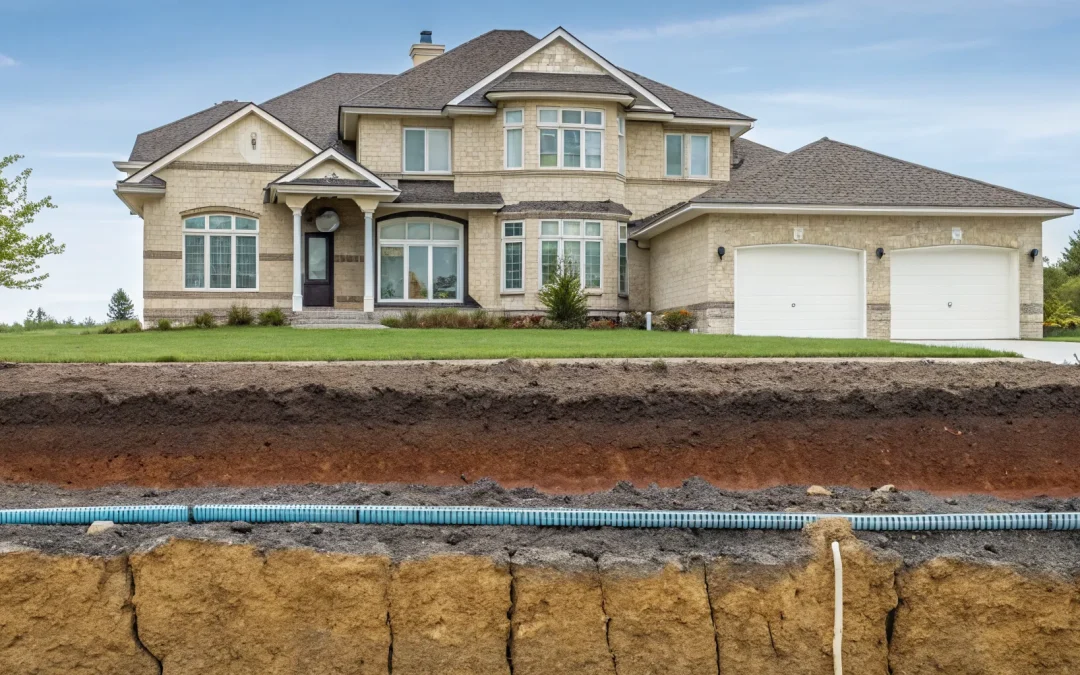
Start a New OrderA failed septic system is a builder’s worst nightmare. It leads to angry clients, expensive emergency repairs, and damage to your professional reputation. Nearly all of these costly failures can be traced back to a single, preventable oversight: designing a system that wasn’t compatible with the site’s soil conditions. A detailed soil analysis for septic systems is the most important investment you can make to prevent this outcome. It provides the blueprint for a custom design that is perfectly matched to the property, ensuring long-term performance and protecting your project, your client, and your bottom line from future complications.
Key Takeaways
- A professional soil analysis is essential for project success: It provides the data needed to prevent costly system failures, protect groundwater, and ensure your septic design meets all state and local permitting requirements.
- Soil properties determine your septic system design: Key factors like texture, drainage rates, and the seasonal high water table dictate the size, type, and location of your system, ensuring it is engineered specifically for your site’s conditions.
- A failed soil test points to a specialized solution: Challenging soil conditions are common and do not have to stop your project. A failed test simply means a standard system is not the right fit, requiring an alternative design like a mound system or an advanced treatment unit to move forward.
What Is Soil Analysis for a Septic System?
Think of soil analysis as a background check for your property’s ground. Before you can install a septic system, you need to know if the soil is up to the job. This process involves a professional digging in and evaluating the soil’s properties to see if it can effectively treat wastewater. It’s a critical first step that ensures your septic system will function correctly, protect the environment, and meet all local health codes. This isn’t just a formality; it’s the foundation of a successful septic installation. A thorough analysis prevents future failures, which can be messy, expensive, and disruptive for any construction project.
Essentially, a soil evaluation confirms whether a piece of land is suitable for a septic system. Without it, you’re just guessing, and that’s a risky move when it comes to waste management. The analysis gives us the data needed to design a system that’s tailored to your specific site conditions, from the type of drain field to the size of the tank. This isn’t just about passing an inspection; it’s about creating a reliable, long-lasting septic system that won’t cause headaches for builders or homeowners down the road. At Land Perc, our entire design process is built on a thorough understanding of your site’s unique soil profile, ensuring everything from the tank to the drain field is perfectly matched to the land.
Why Soil Is Key to Septic System Function
Your property’s soil does the heavy lifting for your septic system. It acts as a massive, natural filter that cleans the wastewater after it leaves the septic tank. As Ohioline puts it, the soil is the most important part of the system because it’s responsible for removing harmful bacteria and pathogens before the water returns to the groundwater.
For this natural filtration to work, the soil needs the right balance of properties. We look at its texture, depth, and how quickly it absorbs water (its permeability). If soil is too dense, water will pool on the surface. If it’s too sandy, wastewater will pass through too quickly without being properly treated. Our analysis identifies these critical factors to prevent system failure and ensure everything works as it should.
Meeting Florida’s Septic Regulations
Florida has specific rules for septic systems, and soil testing is a non-negotiable part of the permitting process. These regulations are in place to protect public health and our state’s precious water resources. Every county has its own requirements, and a proper soil analysis provides the detailed report needed to satisfy the local health department.
Just like other states with strict environmental codes, Florida requires that soil tests are performed according to specific standards. This ensures every system is designed and installed safely. Failing to meet these standards can lead to denied permits, construction delays, and costly redesigns. Our team handles the entire permitting and compliance process, starting with a soil analysis that gives regulators all the data they need to approve your project without a hitch.
Why Is Soil Analysis So Important?
Think of soil analysis as the foundation for your foundation. Before you can design a septic system that will last for decades, you need a deep understanding of the ground it will be built on. This crucial step goes far beyond just digging a hole; it’s a detailed investigation that informs every aspect of the septic design, from the type of system needed to its exact placement. Skipping this or getting it wrong can lead to major problems down the road. A proper soil analysis ensures the septic system is efficient, environmentally safe, and compliant with Florida’s regulations, setting your project up for long-term success.
Avoid System Failure and Costly Repairs
A septic system is only as good as the soil it’s in. When a system is designed without accurate soil data, it’s essentially a guess, and that’s a risky bet. The wrong design can lead to wastewater backing up, drain fields failing, and unpleasant odors, resulting in angry clients and expensive emergency repairs. A thorough soil analysis provides the essential information needed for a custom septic system design that works with the site’s specific conditions, not against them. By identifying the soil’s texture, absorption rate, and depth, we can create a system that functions correctly from day one, preventing premature failure and protecting your investment and reputation.
Protect Groundwater and Public Health
In Florida, we’re keenly aware of how important our water is. A septic system relies on the surrounding soil to act as a natural filter, treating wastewater before it returns to the groundwater. If the soil is too sandy, wastewater can pass through too quickly without proper filtration. If it’s too dense with clay, it won’t drain at all. Both scenarios can lead to contamination of our aquifers, lakes, and coastal waters with harmful bacteria and nitrates. A professional soil analysis is the first line of defense in protecting public health and preserving Florida’s delicate ecosystem, ensuring that only treated effluent re-enters the environment.
Comply with State Environmental Standards
Navigating Florida’s environmental regulations can be complex, and septic systems are under strict scrutiny. The state has specific codes that dictate how soil must be evaluated to ensure a septic system is safe and effective. Failing to meet these standards can bring your project to a halt, causing significant delays and headaches with permitting. Our expert soil analysis provides the precise, accurate data that regulators require. We handle the technical details to ensure your project’s permitting and compliance process is as smooth as possible, helping you avoid costly setbacks and keep your construction timeline on track.
How Do We Analyze Your Soil?
To design a septic system that lasts, we need to understand the ground it’s built on. Soil analysis is more than just a single test; it’s a comprehensive evaluation that gives us a complete picture of your property’s subsurface conditions. We use a combination of methods to gather all the data needed to design an efficient, compliant, and long-lasting system. This multi-step process ensures we cover all our bases, from soil texture to water absorption rates, giving you a solid foundation for your project.
Soil Borings and Deep Excavations
The first step is to get a direct look at the soil profile. We do this by creating several soil borings, which are deep holes excavated on your property. Typically, we dig three to four borings at least 50 feet apart, going down to a depth of about five feet. This allows us to examine the different layers of soil, known as horizons, and see their composition firsthand. By observing the soil structure, color, and texture at various depths, we can determine if the site meets the strict requirements set by Florida’s state codes. This hands-on approach is essential for a precise and effective septic system design.
How Percolation Tests Work
A percolation test, or “perc test,” measures how quickly water moves through the soil. This absorption rate is one of the most critical factors in designing a functional drain field. To perform the test, we dig a hole to the proposed depth of the drain field trench, fill it with water, and time how long it takes for the water to seep into the surrounding soil. If the soil drains too slowly, wastewater could pool on the surface. If it drains too quickly, it won’t be adequately treated before reaching the groundwater. The results of our percolation tests help us determine the appropriate size and design for your drain field.
Visual Soil Checks and Pit Inspections
Beyond the numbers, a visual inspection of the soil tells a detailed story. When we examine the soil from the excavated pits, we’re looking for clues about its long-term behavior. Soil color is a key indicator. For example, mottled gray or reddish-brown spots can reveal the seasonal high water table, showing us where the soil has been saturated for extended periods. Dark, black soil might indicate a high concentration of organic matter, which can affect drainage. These visual cues help us understand the site’s history and predict how it will perform year-round, ensuring your system is designed for real-world conditions, not just a single snapshot in time.
Checking the Groundwater Level
Identifying the seasonal high water table (SHWT) is crucial for protecting both your septic system and the environment. The SHWT is the highest level that groundwater reaches during the wettest part of the year. Your system’s drain field must be installed with a specific amount of vertical separation from this water level to ensure wastewater is fully treated. We determine the SHWT by looking for those tell-tale soil color patterns and other indicators within the soil borings. Accurately locating the SHWT is a non-negotiable step for permit approval and is fundamental to preventing system failure and groundwater contamination. You can start a new order with us to get this process underway.
What Soil Qualities Affect Septic Viability?
When we evaluate a property, we’re looking at much more than just dirt. The soil on a site is a complex, living filter, and its specific characteristics determine whether a conventional septic system will work effectively and safely. Think of it like a puzzle; we need to see how all the pieces, from texture to water levels, fit together. A thorough soil analysis gives us the complete picture, ensuring the septic system we design is built for long-term success and meets all of Florida’s environmental codes. Understanding these key qualities is the first step in a smooth and successful project.
Soil Texture, Composition, and Structure
Soil texture refers to the mix of sand, silt, and clay particles. This blend directly impacts how quickly wastewater can filter through the ground. A loamy soil with a good balance is ideal, but soils with more than 35% clay can be a problem. Clay particles are tiny and pack together tightly, slowing water movement to a crawl and potentially causing system backups. We also look at soil structure, which is how these particles clump together. Good structure creates pathways for water to flow. Even soil color gives us clues; reddish or brown soils usually indicate good drainage, while gray tones often signal that the soil stays wet for long periods.
Permeability and Drainage Rates
Permeability is all about speed: how fast can water move through the soil? We measure this with a percolation (perc) test, which tells us the number of minutes it takes for water to drop one inch in a test hole. This rate is one of the most critical factors in designing a drain field. If the soil drains too slowly, effluent will surface. If it drains too quickly, the wastewater won’t be treated properly before reaching groundwater. For most conventional systems, an ideal drainage rate falls somewhere between one and 30 minutes per inch. This measurement helps us calculate the exact size your drain field needs to be to handle the property’s wastewater load.
Depth to Groundwater and Bedrock
A septic system needs a certain amount of unsaturated soil beneath the drain field to properly treat wastewater. This vertical separation is a buffer zone that cleans the effluent before it can reach groundwater or impermeable bedrock. We look for at least three feet of suitable soil for a standard system to function correctly. If the layer of usable soil is too thin, or if bedrock is too close to the surface, there isn’t enough room for this natural filtration process. This is why our soil borings go deep enough to identify any limiting layers that could compromise the system’s performance and the safety of the local water supply.
The Seasonal High Water Table
In Florida, the seasonal high water table (SHWT) is a major consideration. This is the highest point the groundwater reaches during the wettest time of the year, not just its level on the day of our visit. To find the SHWT, we look for tell-tale signs in the soil profile, like colored mottles that show where the water level fluctuates. Florida regulations require a minimum of two feet of separation between the bottom of the drain field and the SHWT. This ensures the system doesn’t become saturated and fail during rainy seasons. Identifying the SHWT accurately is an essential part of our process for designing a compliant septic system that functions correctly through every season.
What Soil Conditions Can Halt a Septic Installation?
When it comes to septic systems, the ground beneath your feet is just as important as the tank itself. The soil acts as a natural filter, treating wastewater before it returns to the environment. But not all soil is up to the task. Certain conditions can make a standard septic installation difficult, or even impossible, without significant design modifications. Understanding these potential roadblocks early in the process can save you from costly delays and ensure your project stays on track.
The main issues arise when soil drains either too slowly or too quickly, or when the groundwater is too close to the surface. In Florida, with our unique sandy soils and high water tables, identifying these conditions is a critical first step. A thorough soil analysis is the only way to know for sure what you’re working with. While challenging soil might sound like a dealbreaker, it often just means we need to get creative with a specialized system design to meet state and local codes.
Dense Clay and Poor Drainage
If your site has soil with a high clay content, you might face drainage issues. Think of clay as a dense, tightly packed barrier. Water moves through it very slowly, which is a major problem for a septic drain field. According to the Illinois Extension, soils with more than 35% clay are often unsuitable for conventional systems. When wastewater can’t drain away from the trenches, it can pool on the surface, creating a soggy, smelly mess and a serious health hazard. This can also cause effluent to back up into the home. Proper soil testing identifies the clay percentage and helps us design a system that won’t fail due to poor absorption.
Excessively Sandy or Gravelly Soils
On the other end of the spectrum, soil that is too sandy or gravelly can also pose a problem. While it might seem like fast drainage is a good thing, it can be too much of a good thing. Wastewater needs time to be treated by the natural bacteria in the soil. If it flows through the ground too quickly, as it does in very coarse sand or gravel, it doesn’t get properly filtered. This allows untreated effluent, along with harmful bacteria and nitrates, to travel directly into the groundwater. Protecting Florida’s aquifers is a top priority, so if we find excessively permeable soil, we’ll need to explore alternative system designs that slow down the treatment process.
High Groundwater Tables
In Florida, the distance between the bottom of your septic drain field and the groundwater below is a critical measurement. This layer of dry soil, known as the vertical separation, is where the final treatment of wastewater happens. If the water table is too high, there isn’t enough unsaturated soil to effectively filter the effluent before it mixes with the groundwater. We determine the height of the seasonal high water table (SHWT) during our analysis. If the SHWT is too close to the surface, a standard system won’t be approved. In these cases, we often design an elevated or “mounded” system to create the necessary separation.
Saturated Soil and Signs of Wetness
Even if the groundwater table isn’t consistently high, some soils remain saturated for long periods, especially during the rainy season. When soil is full of water, it can’t absorb and treat wastewater properly. Saturated conditions create an anaerobic environment (lacking oxygen), which prevents the helpful bacteria from breaking down pathogens and nutrients in the effluent. Our soil evaluators are trained to spot tell-tale signs of prolonged wetness, like soil color patterns called mottling. As noted by Ohioline, these signs show that the soil is wet for weeks each year, even if it’s dry during our visit. This information is crucial for designing a system that will function correctly year-round.
How Soil Analysis Shapes Your Septic System Design
A soil analysis is more than a preliminary step; it’s the blueprint for a successful septic system. The data we gather directly informs every aspect of the design, from size and type to placement. We use soil texture and percolation rates to create a system that fits your property perfectly, ensuring it functions efficiently for years. This process eliminates guesswork and prevents costly failures.
Determine System Size and Drain Field Needs
First, soil analysis tells us how large the drain field needs to be. The soil’s ability to absorb and treat wastewater dictates the square footage required to handle the property’s daily water usage. Porous, sandy soils can process effluent in a smaller area, while dense, clay-heavy soils drain slowly and require a much larger drain field to prevent system failure. Our septic system design process uses this data to map out the precise dimensions, ensuring your system has the capacity it needs without taking up more land than necessary.
Calculate Loading Rates and Capacity
Next, we use soil data to calculate the hydraulic loading rate. This is a technical term for how much wastewater the soil can safely handle per square foot each day. The calculation is based on soil texture, structure, and drainage speed. We use the slowest percolation rate found in the soil profile for the design, creating a built-in safety margin. Getting this number right is essential for the system’s long-term health. It ensures the drain field can manage the daily flow without becoming overwhelmed, which is key to protecting Florida’s groundwater resources.
Make Site-Specific Design Changes
Finally, soil analysis reveals site-specific challenges that require design modifications. A high seasonal water table or a restrictive layer of rock close to the surface might mean a standard in-ground system isn’t an option. But that doesn’t mean the project is a no-go. This is where our expertise comes in. The analysis might point toward an elevated mound system, special fill material, or an advanced treatment unit. These alternative designs are engineered for tricky soil conditions. If your site presents a challenge, we can identify the right solution and get your project started on the right foot.
What Are Your Options for Challenging Soil?
Discovering your build site has challenging soil might feel like a major setback, but it’s usually just a puzzle waiting for the right solution. Florida’s diverse geology means we see everything from dense clays to porous sands, and a failed perc test doesn’t have to stop your project. With the right engineering and design, even the most difficult sites can support a reliable, long-lasting septic system. At Land Perc, we specialize in creating these custom septic system designs. Let’s walk through some of the most effective options for properties with less-than-ideal soil conditions.
Mound Systems and Elevated Drain Fields
When the native soil is too dense, the water table is too high, or bedrock is too shallow, a mound system is often the answer. These systems are essentially an engineered, above-ground drain field. We design them by creating a raised bed of specific sand and gravel, which provides the necessary filtration and separation from limiting soil layers. Mound systems are designed for sites where traditional septic systems are not feasible, creating an elevated drain field that improves drainage and ensures effective wastewater treatment. This approach allows us to build a fully functional septic system on a site that would otherwise be unsuitable for development.
Advanced and Aerobic Treatment Systems
For sites with particularly sensitive environmental conditions or poor soil, we often recommend an advanced treatment system. Aerobic Treatment Units (ATUs) are a popular choice because they introduce oxygen into the treatment process, which supercharges the breakdown of waste. This method is highly effective in challenging soil conditions, as it produces a much cleaner effluent before it even reaches the drain field. Because the wastewater is treated to a higher degree inside the tank, the soil has less work to do. This makes ATUs a great solution for smaller lots or areas where protecting groundwater is a top priority.
Sand Filters and Drip Distribution
Sand filters offer another way to achieve a higher level of wastewater treatment. These systems work by filtering effluent through a bed of sand before it enters the drain field, effectively polishing the water. This pre-treatment reduces the load on the native soil. We can pair this with a drip distribution system, which uses a network of small tubes to slowly and evenly release the treated effluent over a large area. This method is perfect for sites with poor drainage or limited space, as it prevents the soil from becoming oversaturated. It’s a precise and efficient way to manage wastewater on tricky properties.
Soil Amendments and Curtain Drains
Sometimes, the best approach is to modify the site itself. When we encounter limiting layers of soil close to the surface, one option is to bring in suitable fill material to create better drainage conditions. This effectively raises the drain field area. In other cases, the problem is excess groundwater or surface water moving through the property. Here, we can design drainage systems like French or curtain drains to intercept and redirect water away from the septic area. These drains help manage excess water, keeping the drain field from becoming saturated and ensuring the septic system functions as it should.
What Happens If Your Soil Test Fails?
Receiving the news that a property failed its soil test can feel like a major setback, but it’s far from a dealbreaker. In Florida, challenging soil conditions are common, and a failed test simply means a standard septic system isn’t the right fit for the site. Instead of stopping your project, this result is a critical piece of information that points us toward a different, more specialized solution. Understanding why the soil failed and what your options are is the first step to getting your project back on track without significant delays.
Common Reasons for Failure in Florida
A failed soil or percolation test usually comes down to one thing: the soil can’t properly absorb and treat wastewater. This often happens when the soil has too much dense clay, which prevents water from draining at an effective rate. On the other hand, soil that is too sandy or rocky can allow wastewater to pass through too quickly without adequate filtration, posing a risk to groundwater. Florida’s high water table is another frequent issue. If groundwater is too close to the surface, there isn’t enough dry soil to treat the effluent before it reaches the water supply. These conditions are precisely what our comprehensive services are designed to identify and solve.
How a Failed Test Affects Permits and Timelines
When a soil test fails, the immediate impact is on your permit application. The local health department will not approve a permit for a conventional septic system on a site that can’t support it. This can definitely cause delays if you don’t have a backup plan. However, it doesn’t mean the property is unbuildable. The next step is to work with a professional to explore other options. Sometimes, testing a different location on the property can yield a positive result. More often, it means we need to shift our focus to an alternative system design that is engineered specifically for the site’s challenging conditions. Acting quickly with an expert partner is key to keeping your project timeline intact.
Find Alternative Solutions with an Expert
Fortunately, there are many advanced septic systems designed for difficult soils. An experienced designer can create a plan that works with your property’s specific limitations. For poor drainage, a mound system or an elevated drain field might be the answer. For sites needing enhanced treatment, an aerobic treatment unit (ATU) or a sand filter system can effectively clean wastewater before it’s released into the soil. These systems are more complex than conventional ones, but they provide a reliable and compliant solution. Our team has designed thousands of these systems across Florida, and we can help you start a new order to find the perfect design for your site.
When Should You Schedule a Soil Analysis?
Timing is everything in construction. Scheduling a soil analysis at the right moments can save you from costly delays, redesigns, and permitting headaches. For builders and developers, knowing the soil’s capabilities early on informs everything from land acquisition to final site plans. Getting ahead of potential soil issues protects your investment and keeps your project on schedule. A professional soil analysis provides the data you need to make informed decisions at three critical phases of your project, streamlining your entire workflow.
Before You Buy Property
Before you close on a piece of land, a soil analysis is a must. This is your due diligence phase, where you uncover any potential deal-breakers that could halt construction. A percolation test checks how quickly the soil absorbs water, a critical factor for any property needing a septic system. If the soil drains too slowly (like in dense clay) or too quickly (like in coarse sand), it could severely limit where you can build or even make the site unsuitable for a conventional system. Our comprehensive services give you this essential information upfront, protecting you from investing in a property that can’t support your project’s needs and saving you from a major headache down the road.
During Construction Planning
Once you own the property, the next ideal time for soil analysis is during the initial design and planning stage. The results are the building blocks for a proper septic system design, not just a box to check. The data helps determine the best type, size, and location for the septic system and drain field, ensuring it functions correctly for years. Because soil is the natural filter for wastewater, its composition directly influences the system’s long-term performance and safety. By analyzing the soil early in the planning process, we can create a site-specific design that is both effective and compliant with Florida’s regulations, preventing the need for expensive changes later.
When Applying for Permits
You can’t get a permit without proof. Most local health departments in Florida require a detailed soil analysis and septic design before they will issue a permit for a new septic system. Submitting a thorough, professional report shows regulators that your proposed system is safe for the environment and public health. This step is often the most time-consuming part of the pre-construction process, especially in areas with unique environmental rules. Having a complete and accurate soil analysis ready for your application can significantly smooth out the permitting timeline, demonstrate your commitment to compliance, and help you avoid unnecessary delays, keeping your project moving forward on schedule.
How to Choose the Right Soil Analysis Pro in Florida
Finding the right partner for soil analysis is one of the most important decisions you’ll make for your construction project. The right expert provides accurate data that keeps your project on schedule and on budget, while the wrong one can lead to costly delays, redesigns, and even system failure down the road. In Florida, where soil conditions can be complex and regulations are strict, your choice matters even more. You need a professional who not only understands the science but also knows the local landscape and permitting processes inside and out. This isn’t just about checking a box for the permit office; it’s about laying the groundwork for a system that will function properly for decades.
When you’re vetting a soil analysis professional, you’re looking for more than just a report. You’re looking for a reliable team member who can deliver clear, actionable insights that guide your septic system design. They should be able to explain their findings in a way that makes sense and provide recommendations that are both compliant and practical for your specific site. Think of it as hiring a specialist for a critical procedure; you want someone with the right training, a deep understanding of the local environment, and a proven track record of success. Here are the key things to look for.
Check for Certifications and Licenses
Before you hire anyone, make sure they have the right credentials. A qualified professional should hold a Certified Professional Soil Scientist (CPSS) designation, which shows they meet high national standards for knowledge and ethics. More importantly, Florida has its own specific requirements. Your expert must have a Florida Soil Scientist Certification, which means they’ve completed specialized training on Florida’s unique soils and passed the necessary exams. These certifications aren’t just pieces of paper; they are your assurance that the professional is up-to-date on state regulations and qualified to perform evaluations for septic systems.
Look for Local Soil Experience
Florida’s soil can change dramatically from one county to the next, so local experience is non-negotiable. A professional who has spent years working in your project’s area will have an invaluable understanding of the regional soil types, common groundwater issues, and what local health departments expect to see. This hands-on knowledge allows them to interpret soil data with a level of nuance that someone from outside the area simply can’t match. With over two decades of experience across the state, our team knows exactly what to look for, ensuring a more accurate evaluation and a smoother permitting process for you.
Ask About Reports and Turnaround Times
A soil analysis is only useful if the report is clear and you get it when you need it. Ask potential partners for a sample report to see how they present their findings. It should be detailed and easy to understand, with clear classifications, drainage information, and specific recommendations for your septic system design. Just as important is the turnaround time. In construction, delays cost money. You need a professional who is committed to delivering comprehensive and prompt service so you can keep your project moving forward without any unnecessary hold-ups.
Related Articles
- Septic Systems Explained: The Ultimate 2025 Guide
- Best Septic System Design: A Complete Guide
- 3 Types of Septic Systems Explained (With Pictures)
Frequently Asked Questions
What’s the difference between a soil analysis and a perc test? Think of a percolation test as one chapter in a much larger book. The perc test specifically measures how quickly water drains through the soil, which is a critical piece of information. A full soil analysis, however, is the complete story. It includes the perc test but also involves examining soil borings to understand the texture, color, and different layers of soil, as well as identifying the seasonal high water table. The analysis gives us the comprehensive data needed to design the entire system, not just the drain field size.
How long does the soil analysis process usually take? The timeline can vary, but we work hard to be efficient because we know your project is on a schedule. The on-site fieldwork, which includes digging the borings and running the tests, is typically completed in a few hours. After that, we compile the data and prepare a detailed report with our findings and design recommendations. Generally, you can expect the entire process, from the site visit to receiving your final report, to take several business days.
My property failed its perc test. Does this mean I can’t build? Not at all. A failed perc test is very common in Florida, and it rarely means a property is unbuildable. It simply tells us that a conventional, standard septic system isn’t the right solution for your site’s specific conditions. This is where our expertise in custom design becomes so important. We can engineer an alternative system, like an elevated mound or an advanced treatment unit, that works with the challenging soil to meet all state and local health codes.
Why is the seasonal high water table so important in Florida? The seasonal high water table is the highest point that groundwater reaches during the wettest time of year. In Florida, with our rainy seasons and low-lying areas, this level can be quite close to the surface. Your septic system’s drain field needs a certain amount of dry, unsaturated soil beneath it to properly treat wastewater. If the water table is too high, the system can become flooded, fail to treat waste, and contaminate the groundwater, which is a serious public health risk.
Can’t you just add better soil to fix a bad site? While bringing in specific types of sand or fill material is a component of some alternative systems, like mound systems, it’s not as simple as just replacing the existing dirt. The solution has to be carefully engineered to work with the site’s unique conditions and meet Florida’s strict environmental codes. A successful septic system depends on a design that considers the entire soil profile and water flow on the property, not just the top layer.